Shed Material Comparison: Metal vs Plastic vs Wood vs Cedar
Metal Sheds — Maximum Value Per Dollar
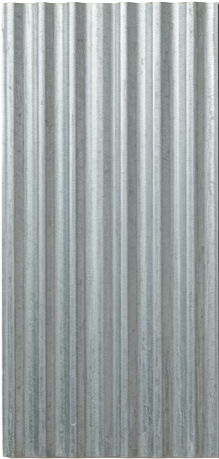
Metal sheds dominate the budget-conscious market for good reason. Starting as low as $150, they're the most affordable option by far. The galvanized steel construction resists rust for 15–25 years with minimal maintenance. Rain and snow slide right off, and insects can't eat metal.
But there are real trade-offs. Thin metal walls offer virtually zero insulation — your metal shed is an oven in summer and a freezer in winter. Condensation forms on walls when temperatures swing, which is terrible for stored items. Structurally, lightweight metal panels flex in strong winds, so proper anchoring is essential. Lastly, the industrial aesthetic doesn't win any curb appeal points. Most people see a metal shed as a utilitarian storage box, not a backyard addition to be proud of.
Best for: Temporary storage, tool organization, budget-conscious homeowners, renters, or anyone who needs secure weather-resistant space without breaking the bank.
Plastic / Resin Sheds — Zero Maintenance Forever
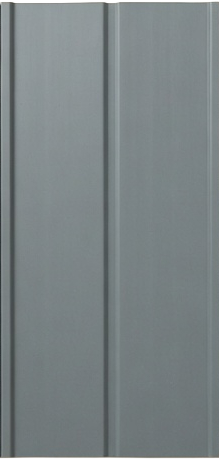
If you absolutely hate maintenance, plastic is your answer. Resin sheds require almost nothing — a rinse with the garden hose once or twice a year and you're done. No painting, no sealing, no rot or insect worries. They're waterproof, won't swell or warp, and should last 10–20 years depending on UV exposure.
Assembly is genuinely easy — many models snap together in 1–4 hours. Plastic sheds are also lightweight and portable, making them great for renters. But quality varies wildly in the plastic shed market. The walls are thin and flexible, which means they can flex dangerously in wind or under heavy snow. Customization is essentially impossible — you can't easily add windows, doors, or shelving. Aesthetically, plastic sheds have an unmistakable "cheap shed" look that most HOAs frown upon. And one more thing: a determined person with a box cutter can breach the walls, so security is questionable.
Best for: Renters, seasonal storage, anyone who values zero maintenance above all else, small tool sheds, or temporary storage solutions.
Plywood Sheds — Unlimited Customization
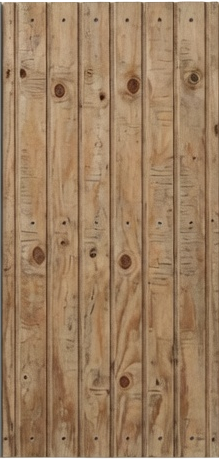
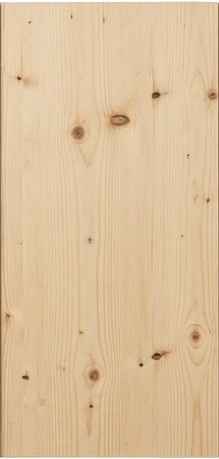
A plywood shed is a real construction project, but it offers something no other material can: unlimited customization. Standard stud framing lets you build exactly what you want — add windows anywhere, create a finished interior, insulate fully, run electrical and HVAC, or transform it into a home office or studio.
The construction process itself takes 1–3 days minimum, and you'll need at least basic carpentry skills or a contractor. Materials are affordable ($1K–$4K depending on size), but labor costs quickly add up. The biggest challenge? Plywood is vulnerable to moisture. Every gap, every seam, and every missed coat of paint is an invitation for rot and termites. Maintenance is high — you'll need to repaint or re-stain every 3–5 years.
Long-term durability depends entirely on how well you maintain it. A well-built, well-maintained plywood shed can last 10–20 years. Neglect it and you'll have rot in 3–5 years. Security and customization scores are excellent — the walls hold shelving directly, and you can modify it however you want.
Best for: DIY enthusiasts, customization-obsessed homeowners, anyone building an office or studio, projects requiring unique dimensions or features.
Log/Timber — Built Like a Cabin
Log/Timber sheds are unlike anything else in this comparison. They're not kits to assemble — they're actual buildings shipped fully intact, using interlocking Lincoln-log style solid wood construction. The 1⅜-inch thick walls create an insulated, finished interior that feels like stepping into a cozy cabin the moment you open the door.
Everything is finished: smooth milled wood walls, real glass windows with aluminum frames, lockable doors, and a fully weather-sealed structure. This is a shed you don't need to finish — you move in and enjoy it immediately. The solid wood walls provide decent sound dampening and some natural temperature regulation, though you'll likely want supplemental heating or cooling for year-round comfort. A log/timber shed makes a great home office, guest cottage, art studio, or man cave.
The trade-off is price. Expect to pay $3K–$9K depending on size and options — substantially more than other materials. The material used is Norway Spruce (not cedar), which is beautiful but doesn't have cedar's natural rot resistance. The exterior will need re-staining every 3–5 years. Still, the craftsmanship and finished quality justify the premium for many buyers. Property appraisers often assign real value to a Log/Timber shed because it functions as actual living space.
Best for: Home offices, guest accommodations, premium backyard studios, anyone wanting move-in-ready quality, buyers ready to invest in long-term quality.
Cedar Sheds — Nature's Premium Choice
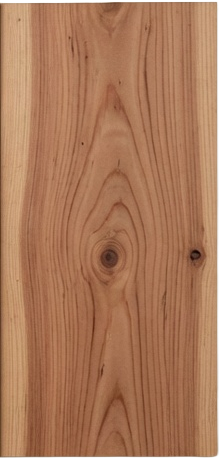
Cedar stands apart from every other material. It's nature's premium wood — the very terpenes that give cedar its distinctive aroma are the same compounds that prevent rot, repel insects, and allow the wood to age beautifully without rotting. A well-maintained cedar shed can easily last 25–40+ years.
Aesthetically, cedar is the gold standard. The warm grain and color, plus that unmistakable scent, create an immediate sense of quality and luxury. As cedar ages, it develops a silver-gray patina that many homeowners find even more beautiful than the original honey tones. Cedar sheds satisfy even strict HOAs and add genuine appeal to your property.
Cedar's natural oils also provide decent insulation and sound absorption compared to other materials. The wood is workable for modifications, though pre-panelized kits require care to avoid weakening them. Most cedar sheds arrive with an unfinished interior, so you'll need to invest time and money in finishing the space.
The catch is price. Cedar is expensive — $2.5K–$15K+ depending on size and options. Maintenance requires sealing or staining every 5–7 years, though you can also choose to let it age naturally. If you want a premium, long-term investment that looks beautiful and lasts decades, cedar is the answer.
Best for: Homeowners prioritizing beauty and longevity, HOA compliance, premium backyards, buyers who want to age gracefully, anyone considering a shed as a permanent property addition.
Which Shed Material Is Right for You?
If budget is king: Metal sheds offer unmatched value per dollar. You'll get functional, secure storage for under $500 total. No maintenance, no rot, no surprises. Perfect if you just need a place to store tools and garden equipment.
If you hate maintenance: Plastic resin sheds are the stress-free answer. Hose it off once a year and forget about it. You won't get curb appeal points, and you can't customize, but zero maintenance is genuinely valuable.
If you want full control: Plywood gives you unlimited potential. It's a blank canvas for building exactly what you envision — office, studio, gym, art space, whatever. The trade-off is time, effort, and ongoing maintenance responsibility.
If you want move-in ready: Log/Timber is the only shed that feels like a finished room from day one. No drywall, no painting, no finishing work. Walk in and start using it. The premium price reflects the finished quality and craftsmanship.
If you want premium quality: Cedar is the gold standard. It's beautiful, long-lasting, and universally respected. Yes, it's expensive and requires maintenance, but it's a true investment that will look stunning for decades.